
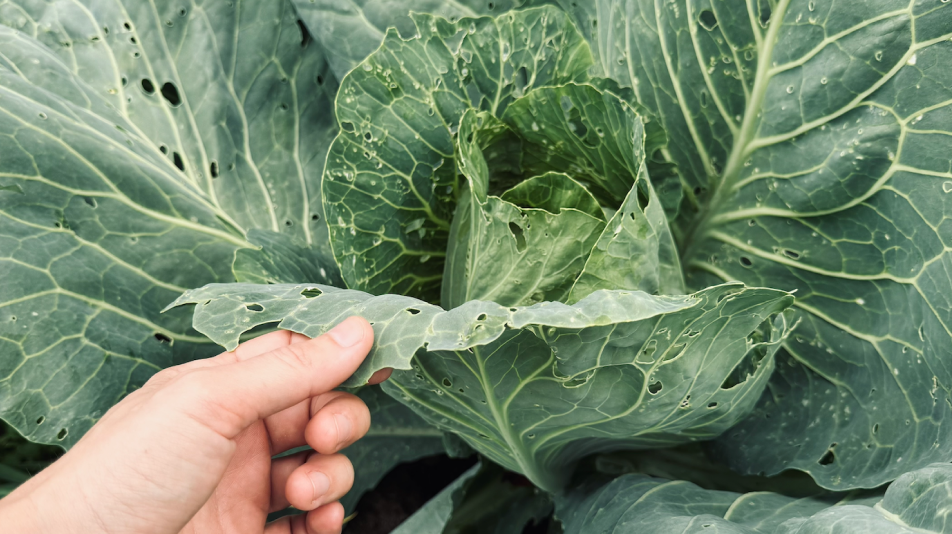
Everything was going perfectly in my vegetable garden this year. I started an early-maturing cabbage variety from seed indoors, transplanted them after the last frost, and watched them form beautiful, tight green heads.

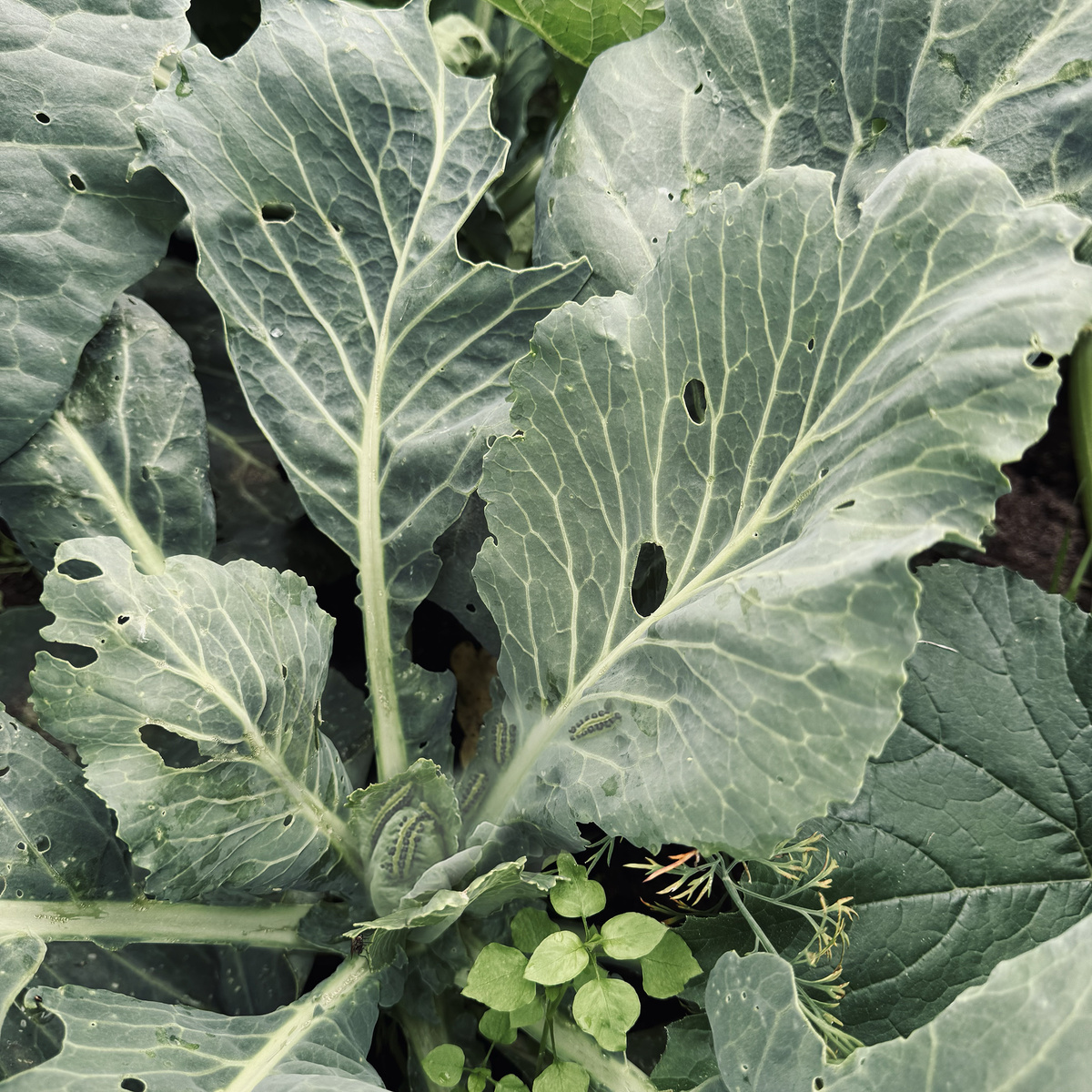
Then, seemingly overnight, disaster struck. I walked out to the garden to find my perfect cabbage leaves chewed into Swiss cheese. Tucked into the folds of the leaves was an absolute army of velvety green caterpillars—the dreaded Cabbage Worm (the larvae of those pretty white butterflies you see fluttering around the yard).
My first instinct was to run to the hardware store for a heavy-duty chemical pesticide. But I stopped myself. I have a 50-pound dog and a cat who literally use my raised beds as their personal napping spots, so spraying toxic poisons was completely out of the question. Plus, I actually plan on eating this cabbage!
Thankfully, an older neighbor shared a brilliant, old-school gardening secret that wiped out the infestation in 24 hours using nothing but a common household cleaner.
The Secret Weapon: Household Ammonia
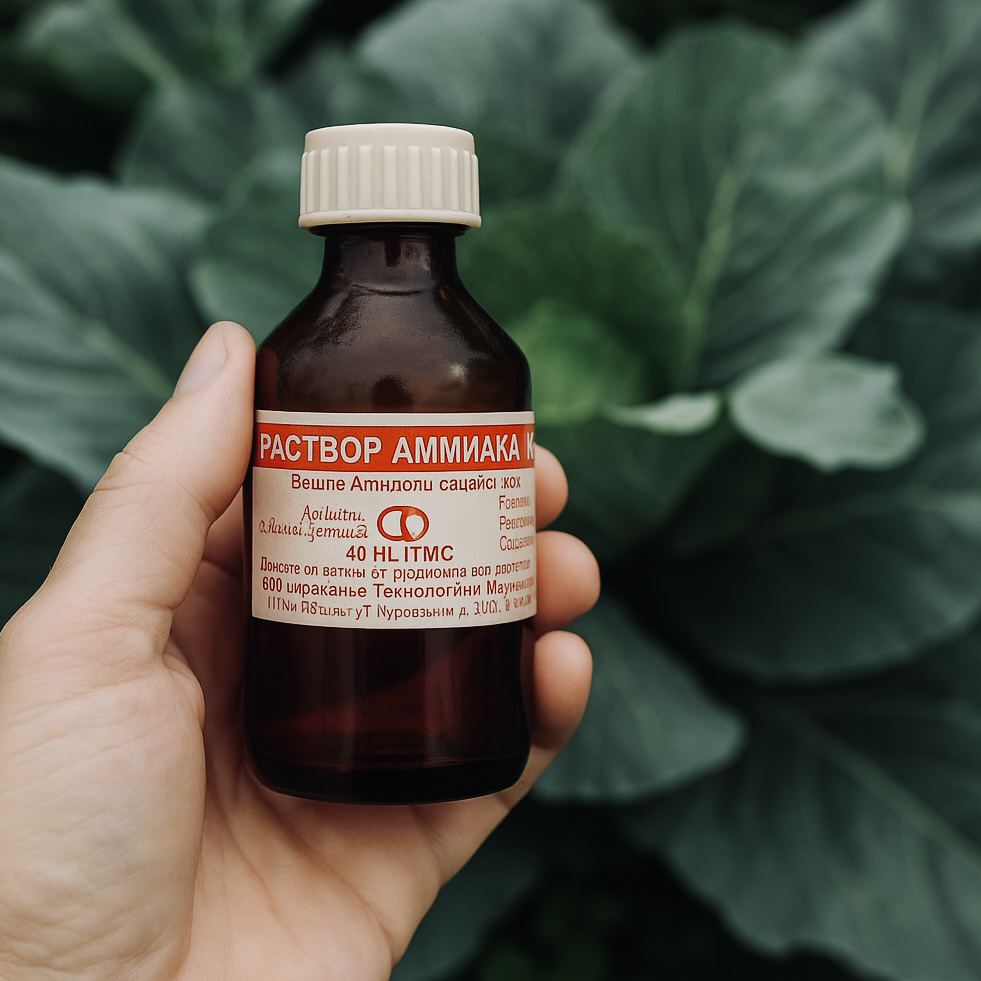
My neighbor laughed at my panic and told me to grab a bottle of ammonia. It turns out, ammonia is a dual-threat in the garden.
The Pest Control: The pungent odor of ammonia is completely intolerable to cabbage worms, aphids, and ants. It drives them out immediately.
The Fertilizer Boost: Ammonia is essentially liquid nitrogen. Cabbages are heavy nitrogen feeders, so spraying this mixture acts as a rapid "foliar feed" (fertilizing the plant directly through its leaves).
The 3-Ingredient Recipe
Do not spray pure ammonia on your plants! You must dilute it properly. Here is the exact recipe I used:
2 Tablespoons of plain, unscented Household Ammonia (Do not use lemon or lavender-scented varieties!)
2.5 Gallons (approx. 10 liters) of warm water
1 squirt of liquid dish soap (This acts as a "surfactant," helping the mixture stick to the waxy cabbage leaves instead of rolling right off).
Instructions: Mix everything thoroughly in a large watering can or pump sprayer.
How to Apply for Maximum Impact
I sprayed my cabbages heavily, making sure to coat both the tops and the undersides of the leaves where the worms love to hide.
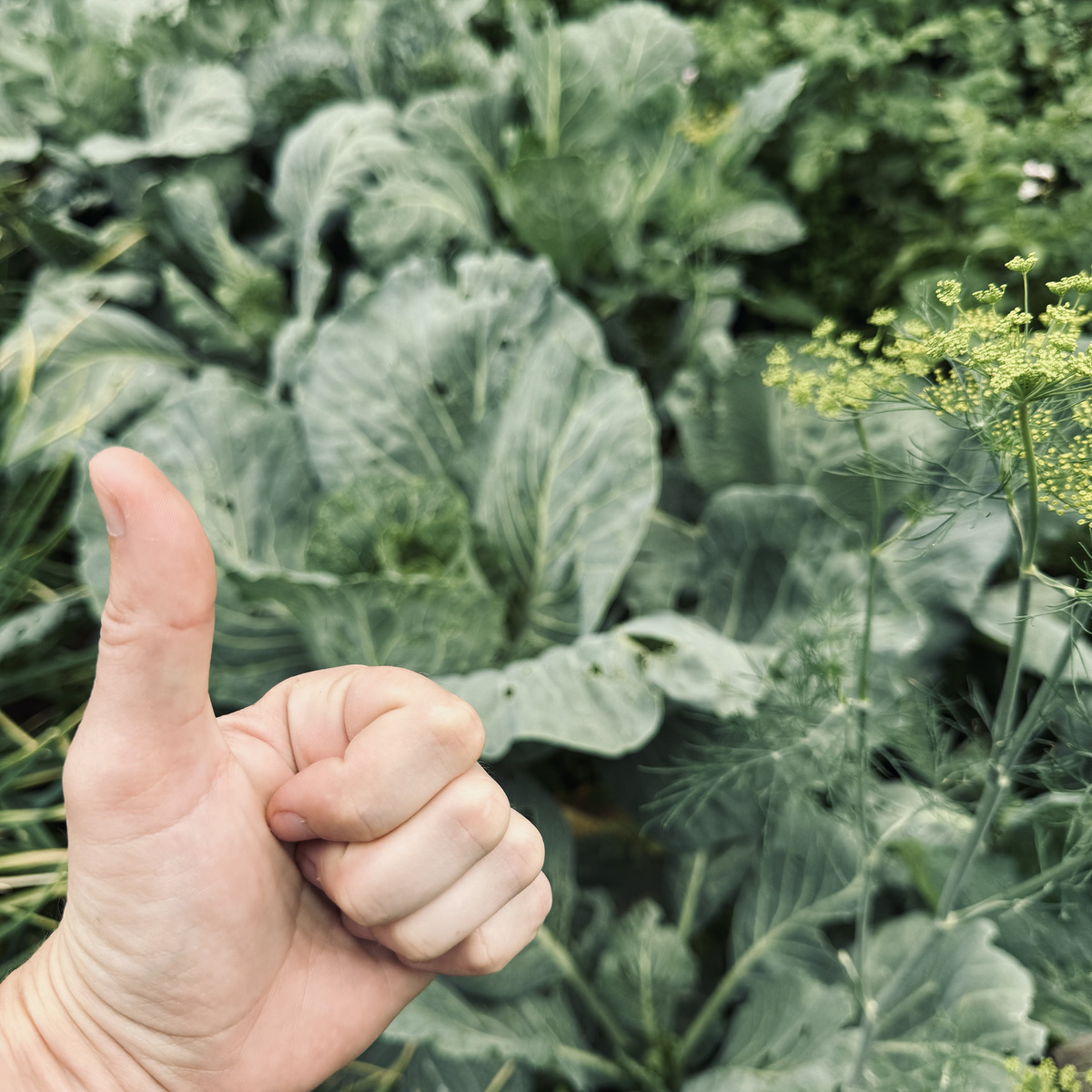
When I went out the next morning, the caterpillars were entirely gone. All that was left was some dark frass (caterpillar droppings), which I simply washed away with the garden hose. My cabbages looked incredibly vibrant, and the leaves actually felt thicker and healthier thanks to the nitrogen boost.
Crucial Safety Rules for Your Plants
To avoid damaging your crops, keep these rules in mind:
Timing is Everything: Only spray this mixture in the late evening or on a heavily overcast day. If you spray ammonia water on your plants during the midday sun, you will severely scorch the leaves.
Don't Overdo It: Do not use this spray every day. Two or three times a season is plenty. Too much nitrogen will cause your cabbages to split open.
Watch Your Neighbors: If you have delicate greens like lettuce or dill growing right next to your cabbage, cover them with a cloth before spraying. Their thin leaves can be sensitive to the ammonia.
Reapply After Rain: If you get a heavy summer downpour, the mixture will wash off, and you will need to reapply it once the leaves dry.
If you are battling pests in your brassicas, skip the expensive, toxic sprays. This budget-friendly, pet-safe pantry hack will save your harvest and give your plants a healthy boost of nutrients all at once.

 DIY & Decor
  Edible Garden
  Houseplants
  Lawn & Landscaping
  Outdoor Plants
  Tips & Tools
No comments yet.