
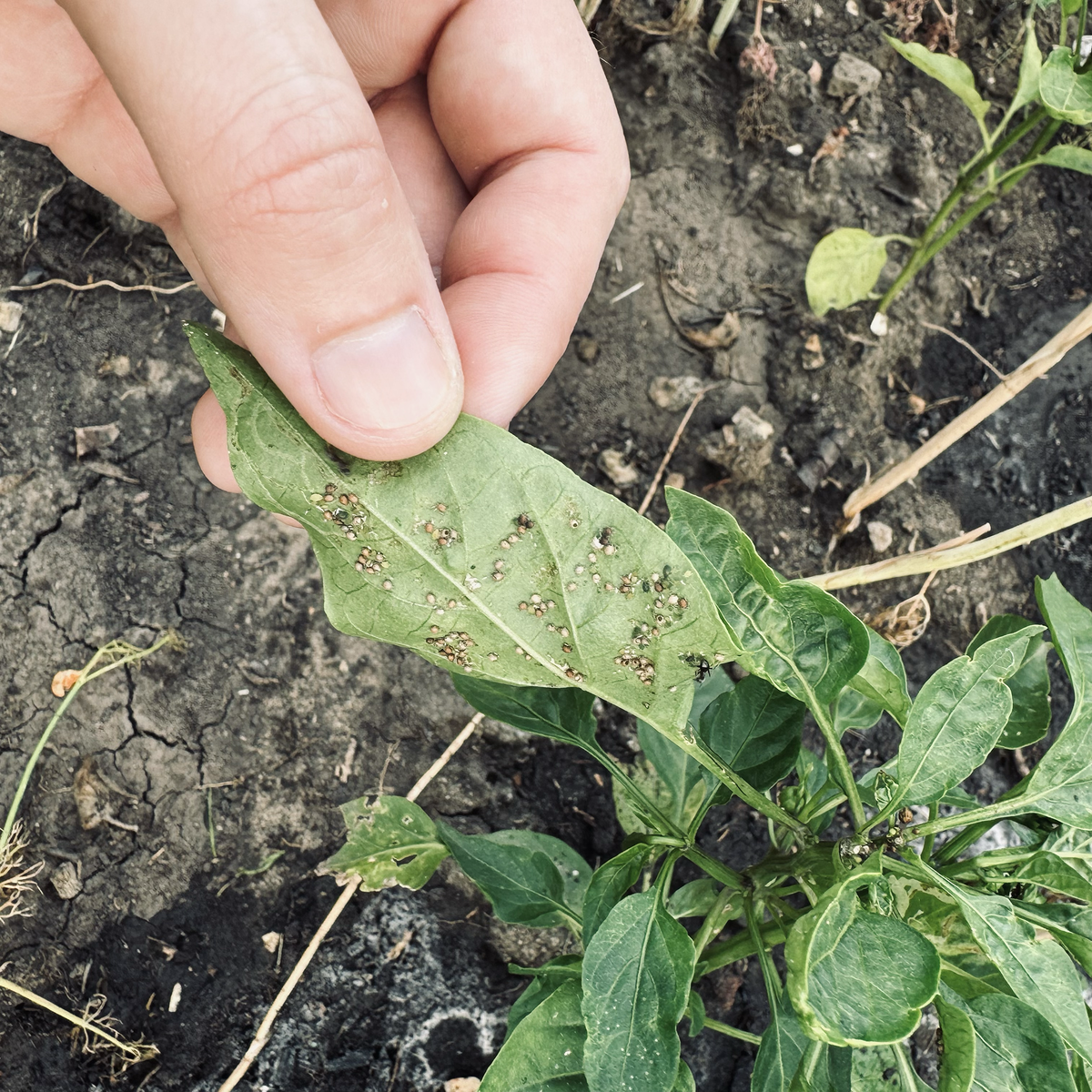
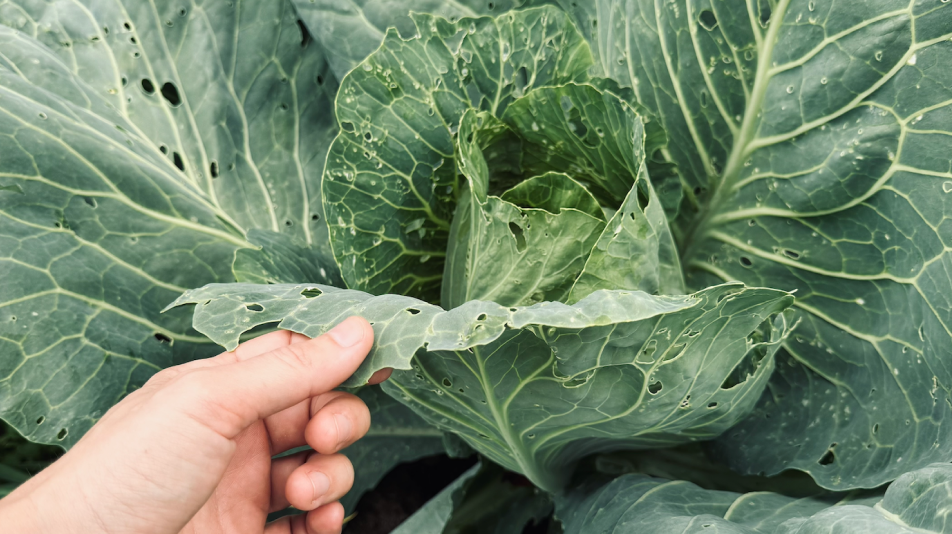
If you’ve ever walked out to your garden with a morning coffee only to find your tomato leaves curled and covered in sticky, black pests, you know the feeling of pure "garden heartbreak." Aphids can take over a patch in days, leaving your peppers and tomatoes struggling to survive.
After failing with standard soapy water, I turned to an old-school remedy that sounds too simple to work: Common household iodine.

Why Iodine? (The Science Behind the Magic)
Iodine isn't just for cuts and scrapes. In the garden, it acts as a dual-force agent:
Pest Control: It disrupts the protective coating of soft-bodied insects like aphids and whiteflies.
Antifungal Boost: Iodine is a natural antiseptic that helps prevent common issues like Powdery Mildew and Late Blight.
Micronutrient Lift: In tiny doses, it can actually stimulate a plant's immune system, making your foliage look greener and tougher.
The "Magic Green Potion" Recipe
This DIY spray is organic-friendly, budget-friendly, and incredibly effective.
1 Liter (approx. 1 Quart) of warm water
10 drops of standard Iodine (5%)
1 tablespoon of Milk (The proteins in milk act as a "sticker," helping the solution cling to the waxy leaves even through light dew).
Instructions: Mix thoroughly in a spray bottle. The key is to spray the underside of the leaves—that’s where the aphids hold their "war meetings."
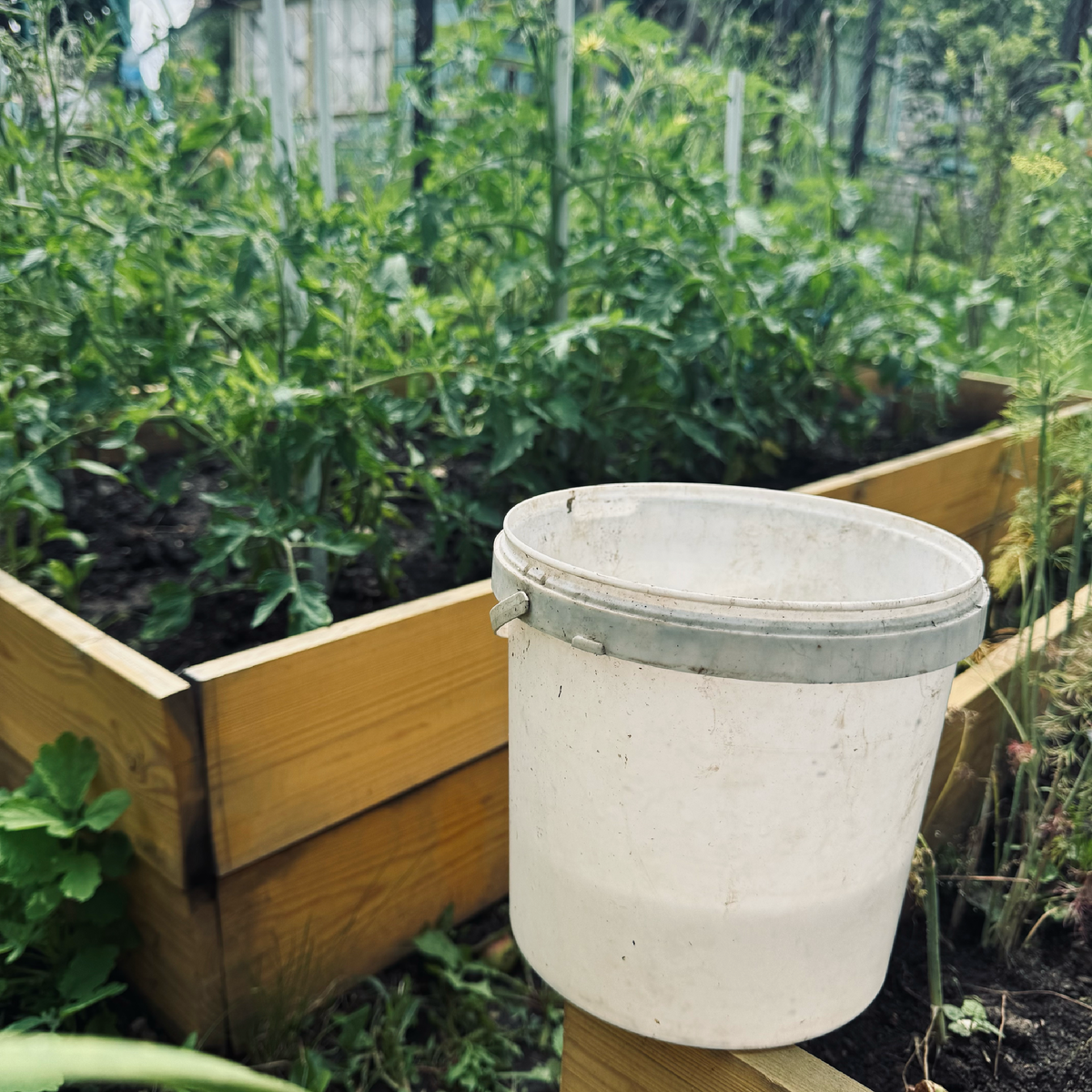
The Results
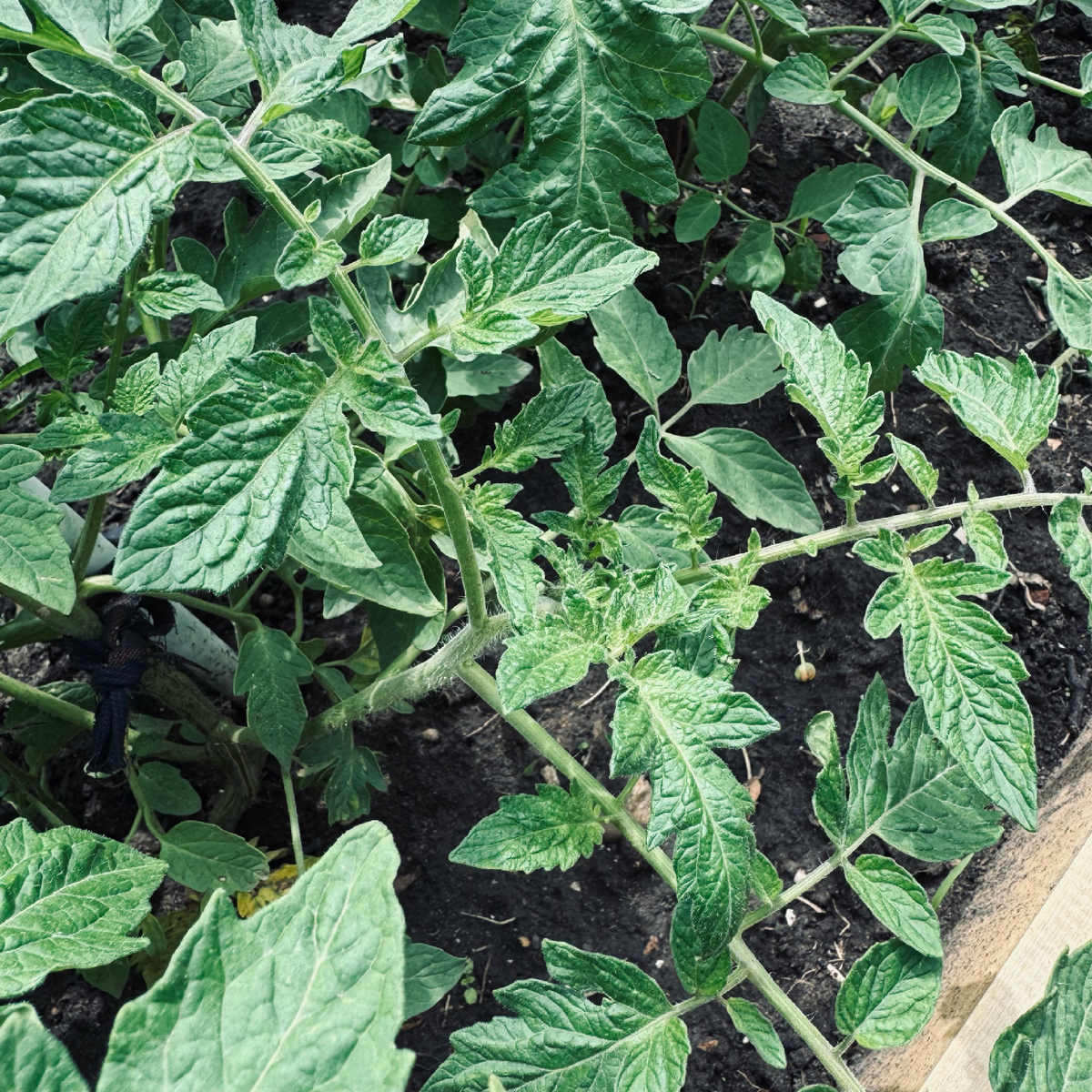
When I first tried this on my infested tomatoes, I checked them the next morning expecting the worst. Instead, the aphids were gone—dried up and neutralized. It looked like an invisible vacuum had cleaned my plants overnight.
Critical Safety Tips for Your Plants
Before you start spraying your entire backyard, keep these rules in mind:
Never Overdose: 10 drops per liter is the "Golden Ratio." Too much iodine can cause phytotoxicity (leaf burn).
Watch the Clock: Only spray in the early morning or late evening. Spraying during the heat of the midday sun will scorch your plants.
Frequency: Use this treatment no more than once every 10–14 days.
Test First: Always test the spray on one or two leaves and wait 24 hours to ensure that specific plant variety is comfortable with the mix.
Bonus Uses for Iodine in the Garden
Once I saw it work on aphids, I started using it for other garden chores:
Tool Sanitizer: I wipe my pruning shears with an iodine solution to prevent spreading diseases between plants.
Seedling Boost: Adding just 1–2 drops to your watering can when starting seeds can help prevent "damping off" (fungal rot).
Final Thoughts: Natural over Chemical
Gardening is a journey of trial and error. You don't always need heavy-duty commercial pesticides to have a prize-winning harvest. Sometimes, the most powerful solutions are sitting right in your medicine cabinet.
Have you tried any unusual "home remedies" that actually worked? Let’s swap secrets in the comments below!

 DIY & Decor
 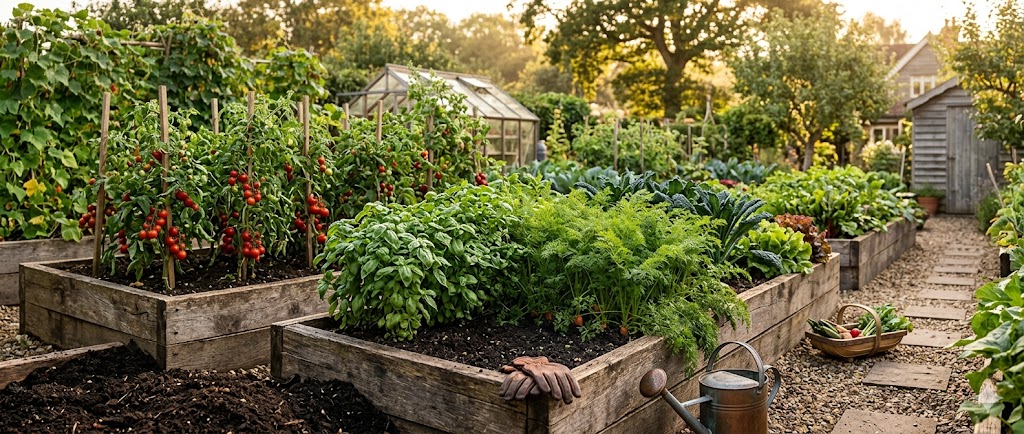 Edible Garden
  Houseplants
  Lawn & Landscaping
  Outdoor Plants
 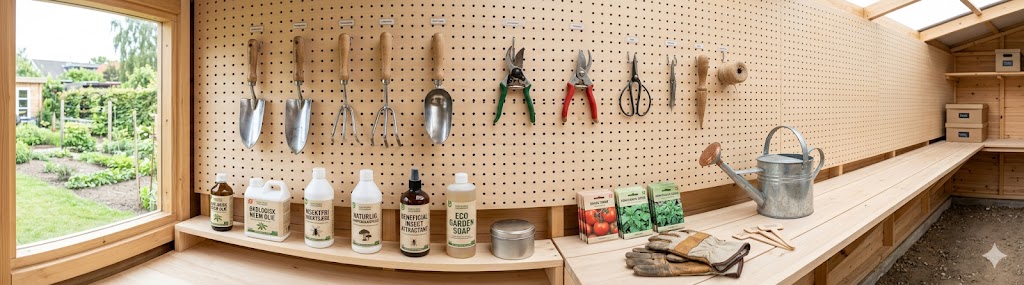 Tips & Tools
No comments yet.