
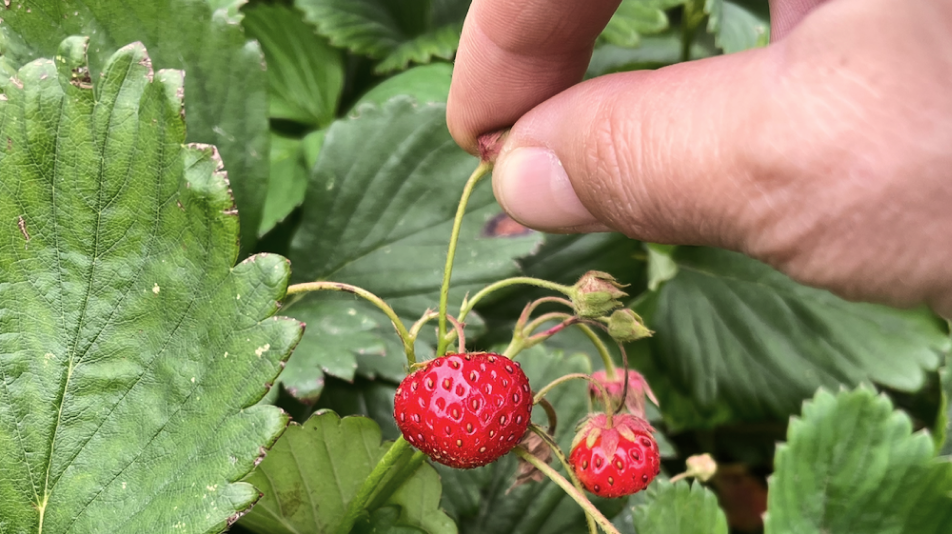
Is your strawberry patch underperforming? If your berries are coming out sour, small, or sparse, the problem usually isn't the variety—it’s the routine. From "thermal shock" to nutrient burn, let’s break down the three most common mistakes and how to fix them for a sweeter, bigger harvest.

1. The "Ice Water" Mistake (Thermal Shock)
Many gardeners make the mistake of watering directly from a well or a deep-ground hose.
The Problem: Strawberries are sensitive to cold. Icy water shocks the root system, causing the plant to prioritize survival over fruit production. This leads to watery, tart berries.
The Fix: Use "sun-warmed" water. If you have a small patch, let your watering cans sit out in the sun. For larger setups, use a rain barrel (preferably a dark-colored one). The ambient temperature water allows for better nutrient uptake, making the berries significantly sweeter.
Pro-Tip: Water in the early morning. This gives the soil time to hydrate before the midday heat, and the leaves have time to dry, preventing fungal issues.
2. The Fertilizer Trap: More is Not Better
It’s tempting to "over-feed" your plants to get giant berries, but strawberries are light feeders.
The Problem: Excessive nitrogen (often from raw manure or over-application of synthetic fertilizers) leads to "lush foliage, no fruit" syndrome. Even worse, it can burn the delicate root system and make the fruit taste bitter.
The Fix: Stick to a simple schedule:
Early Spring: A light layer of finished compost or a balanced 10-10-10 slow-release fertilizer.
During Fruiting: Avoid heavy feeding.
Post-Harvest: After the final pick, give them a light boost of phosphorus to help set buds for next year.
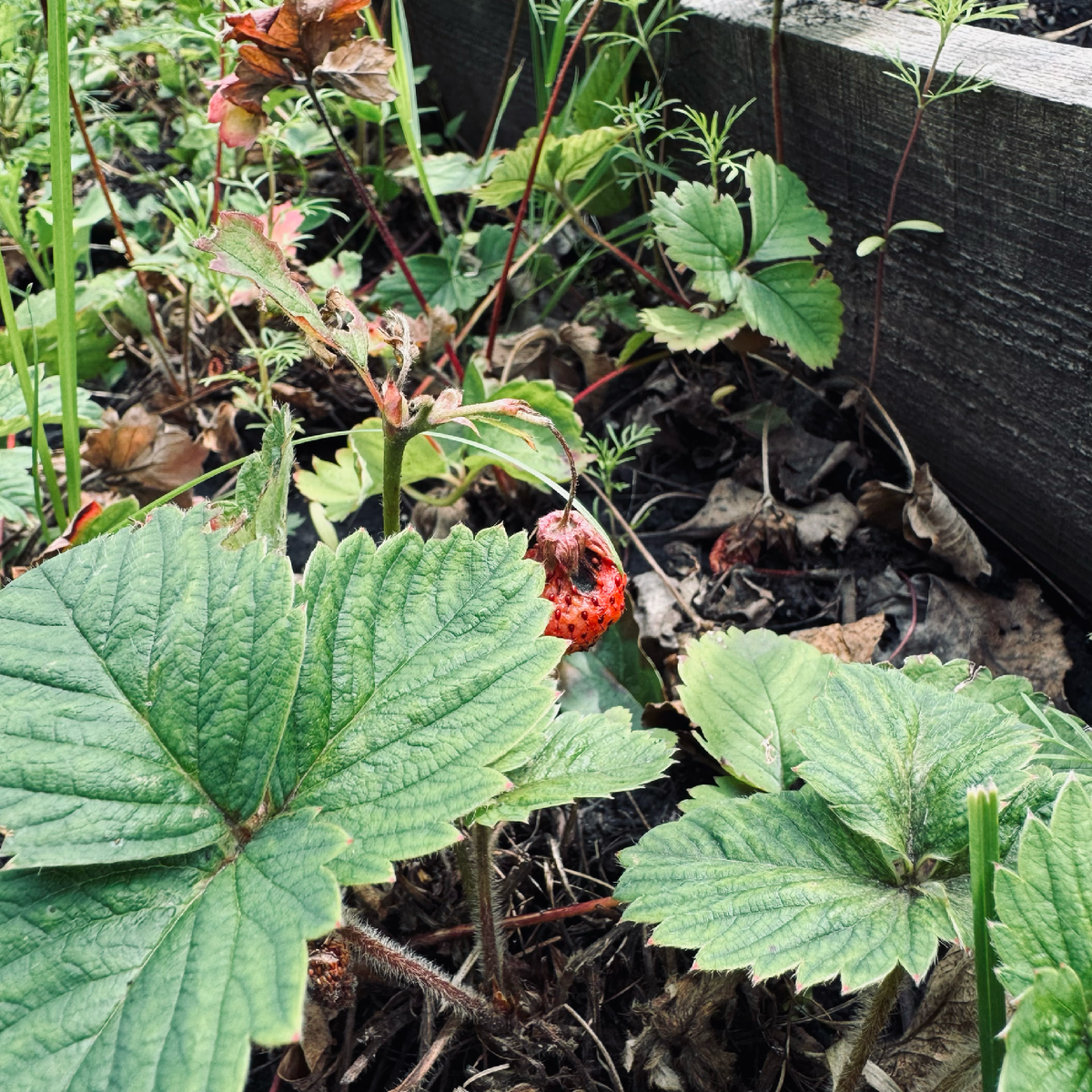
3. Crowding and Aging Plants
Strawberries aren't "plant and forget" perennials. They have a peak performance window.
The Problem: After 3–4 years, strawberry plants lose vigor. Additionally, if your rows are too thick, the berries won't get enough sunlight to develop sugars.
The Fix: * Spacing: Keep plants at least 12–15 inches apart. This ensures airflow and sun exposure.
The 4-Year Rule: Replace your plants every 3 to 4 years. Use the "runners" (daughter plants) to start a new bed so you always have a high-yielding patch in rotation.
Mulching: Use clean straw or grass clippings (free of weed seeds). This keeps the berries off the dirt, prevents rot, and suppresses the weeds that steal nutrients.
My "Sweet Success" Checklist:
Sun: At least 6–8 hours of full sun. No sun = no sugar.
Pruning: Regularly snip off excess runners if you want the plant to focus on fruit, not "babies."
Post-Rain Care: If you’ve had heavy rain, lightly aerate the soil between rows to prevent root rot.
Final Thoughts
Gardening is a learning curve. Whether you’re working with a large backyard plot or a few raised beds, these small shifts in watering and feeding will transform your harvest from "meh" to "magnificent."
What’s your biggest strawberry struggle? Drop a comment below and let’s troubleshoot your garden together!



 DIY & Decor
  Edible Garden
  Houseplants
  Lawn & Landscaping
  Outdoor Plants
  Tips & Tools

No comments yet.