
If you've ever tried traditional composting, you know the struggle. You toss your kitchen scraps into a massive pile or a plastic bin in the backyard, and then... you wait. For months. Meanwhile, you're dealing with fruit flies, foul odors, curious pets, and the back-breaking chore of turning the pile with a pitchfork.
I thought making my own organic fertilizer was too much of a hassle until I discovered a Japanese fermentation method called Bokashi. This method doesn't require a massive yard or months of patience. In fact, it happens entirely inside a sealed bucket, and the compost is ready to feed your garden in just three weeks.

What is the Bokashi Method?
Unlike traditional composting, which relies on oxygen (aerobic) to break down organic matter, Bokashi is an anaerobicfermentation process. You are essentially "pickling" your kitchen and yard waste using beneficial microbes.
What You Need:
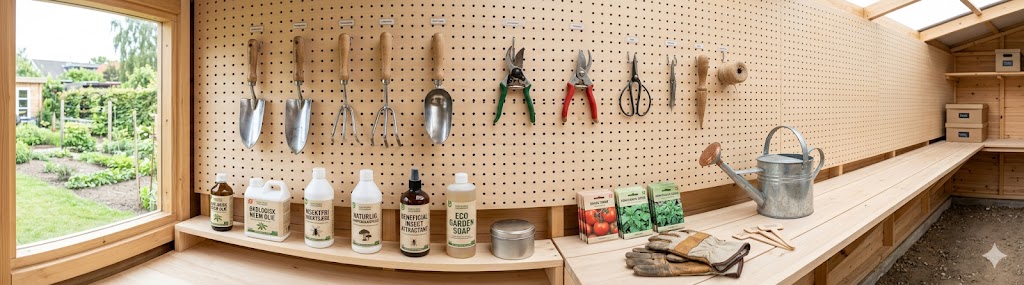
A 5-Gallon Bucket: It must have a tight-fitting, airtight lid.
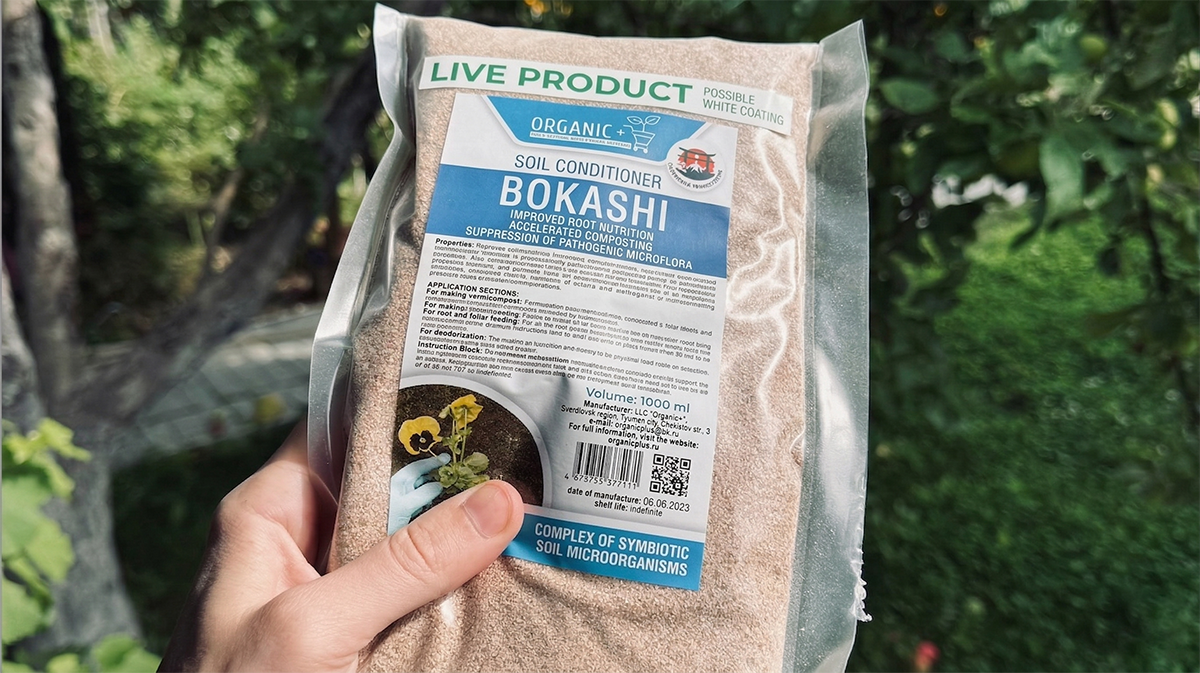
Bokashi Bran: An inoculated bran mixture (easily found online or at local garden centers for under $15).
Garden Shears: For chopping up waste.
Organic Matter: Fruit and veggie peels, coffee grounds, grass clippings (weed-seed free!), and dead leaves. (Note: While advanced Bokashi can handle meat and dairy, stick to plant matter when you are a beginner to guarantee a pleasant smell).
The 3-Week Fermentation Process
Here is my exact layering routine to get nutrient-dense soil amendment fast:
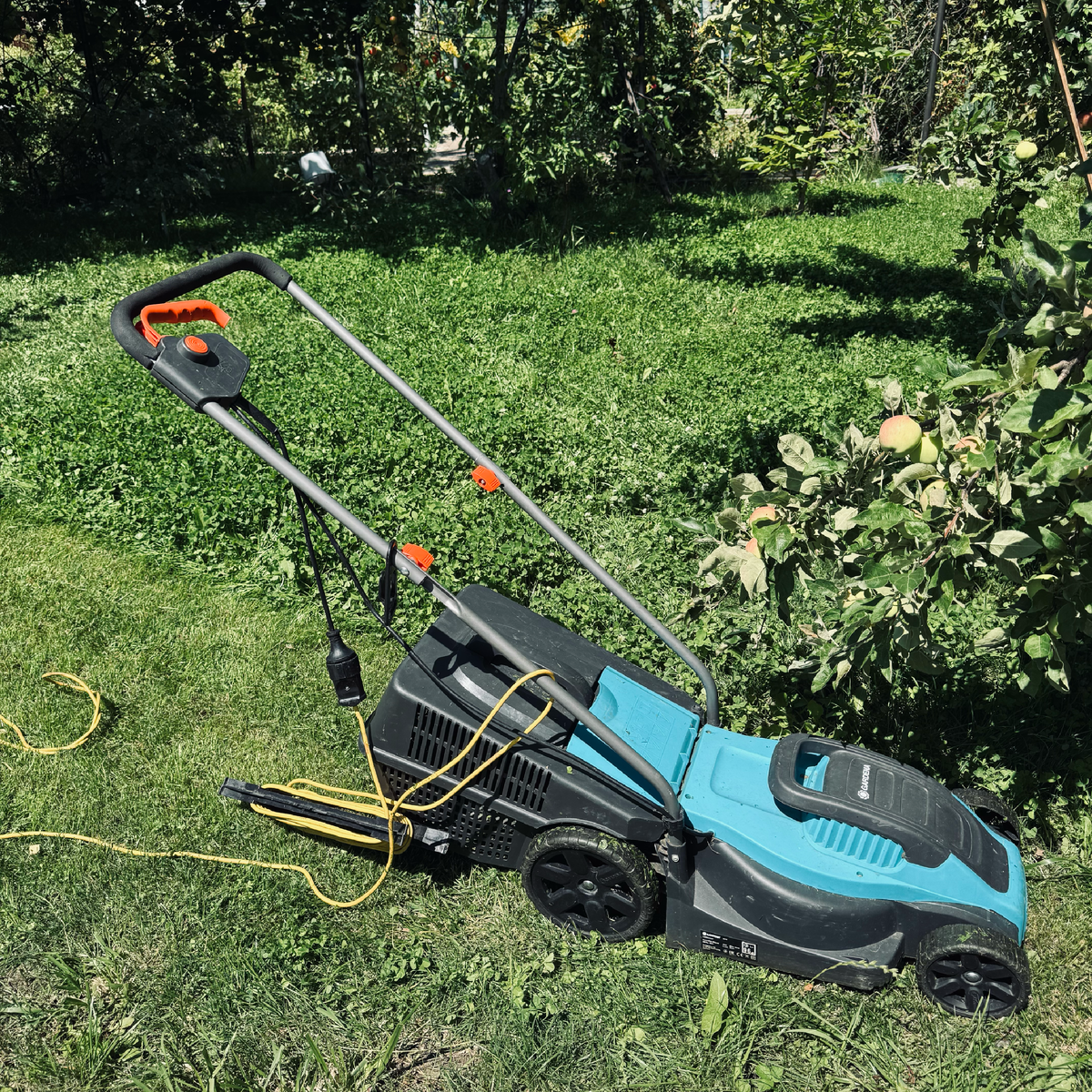
Chop It Up: The smaller the pieces, the faster they ferment. I use shears to chop up grass clippings and large kitchen scraps before tossing them in.
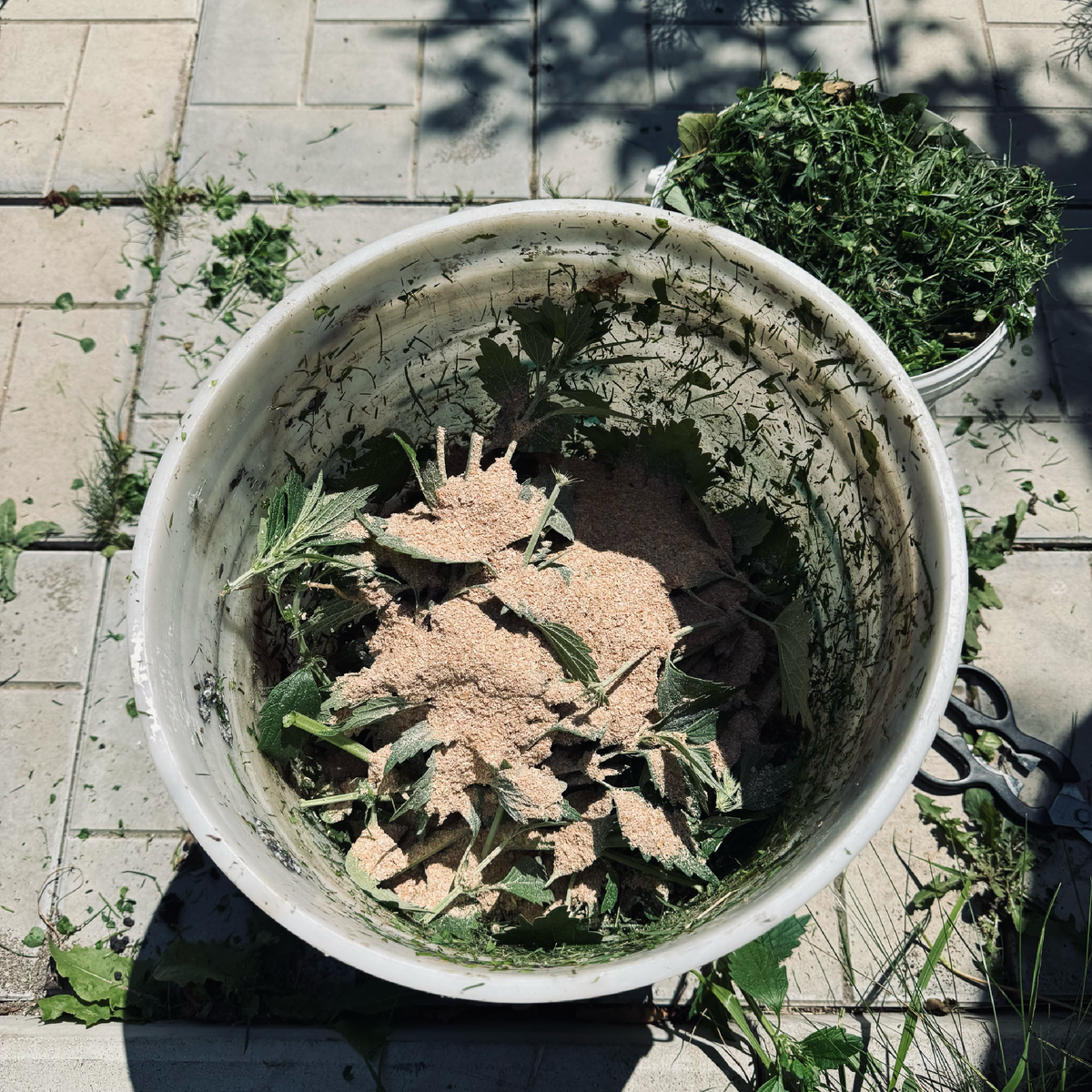
The Base Layer: Toss a handful of chopped yard waste (like grass or clover) into the bottom of the bucket.
Sprinkle the Bran: Generously sprinkle the Bokashi bran over the layer. This bran acts as the microbial "starter."
Compress: Press the layer down firmly to squeeze out as much air as possible (remember, this process hates oxygen!).
Repeat: Add a layer of kitchen scraps, sprinkle more bran, and compress again.
Seal It: Snap the airtight lid on. I keep my bucket tucked away in the garage or under the kitchen sink.
The Results After 21 Days
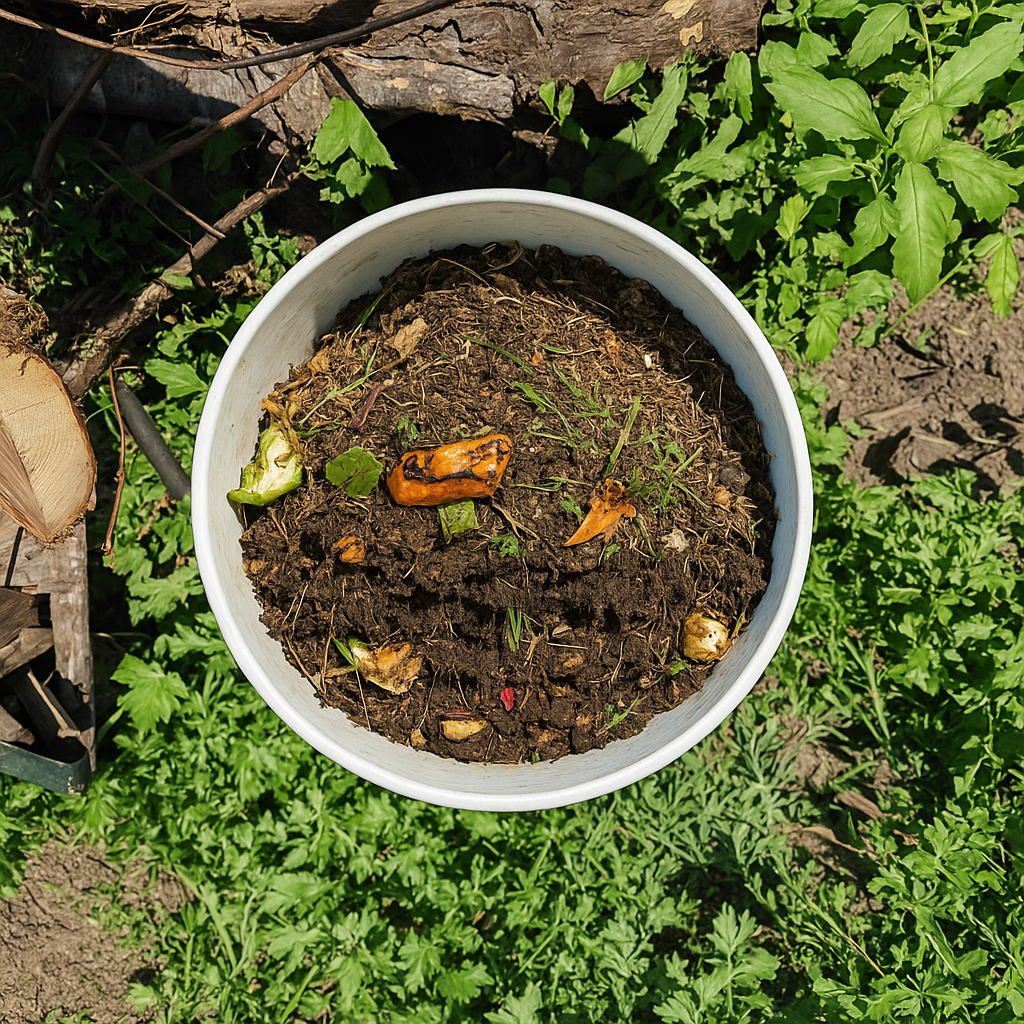
When you open the bucket three weeks later, you won't find a pile of black dirt (that transformation happens later in the soil), but rather fermented waste that looks similar to when it went in. However, the magic has already happened. It should smell sweet and sour, like pickles or apple cider vinegar—no rotting garbage smell!
You can now bury this fermented mixture directly in your garden beds or under your bushes. Within weeks, it completely breaks down into rich, black earth.
Why I Will Never Go Back to Traditional Composting
Zero Pests: Because it is completely sealed, it attracts zero flies, rodents, or curious dogs.
No Heavy Lifting: There is absolutely no turning or aerating required.
Moisture Retention: The areas of my garden where I buried Bokashi compost required significantly less watering during the brutal August heatwaves.
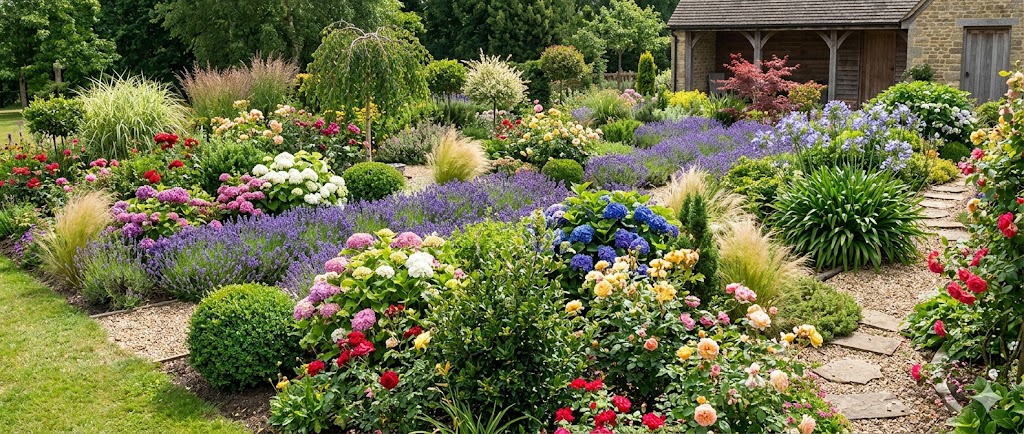
Explosive Growth: I used this compost when transplanting my tomatoes, and they flowered a full week earlier than usual. My roses bloomed all the way into October!
My Top Bokashi Tips for Beginners
Collect in the Fridge: Keep a small container in your fridge for daily kitchen scraps so you only have to open your Bokashi bucket once a week. Every time you open the bucket lid, you let oxygen in, which slows the fermentation.
Don't Skimp on the Bran: If you don't add enough bran, the mixture will rot instead of ferment. When in doubt, add an extra handful!
Start a Rotation: Build two buckets. While one is sealed and fermenting for three weeks, you can be filling up the second one.
Composting doesn't have to be a massive, smelly landscaping project. If you are a busy gardener looking for a fast, eco-friendly way to supercharge your soil, grab a bucket and some bran. Your garden will thank you!

 DIY & Decor
  Edible Garden
  Houseplants
  Lawn & Landscaping
  Outdoor Plants
  Tips & Tools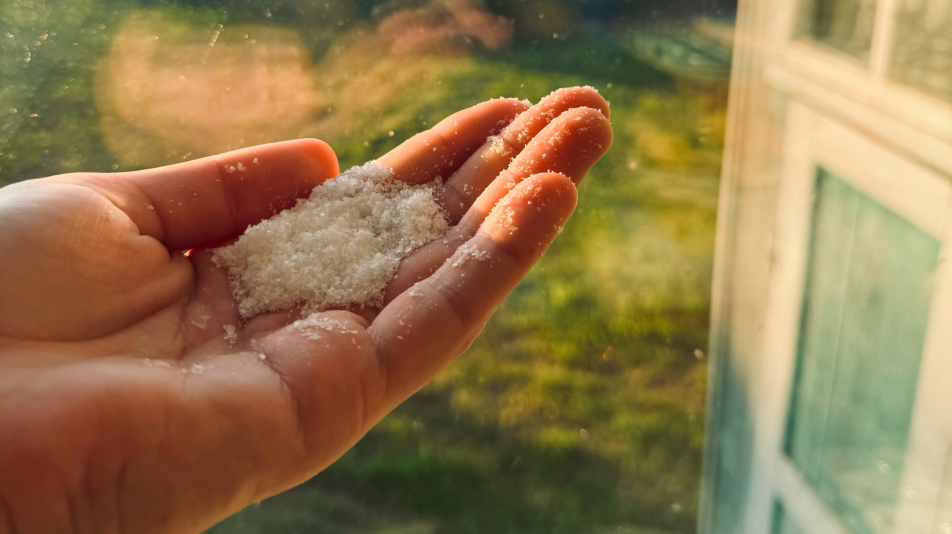
No comments yet.