
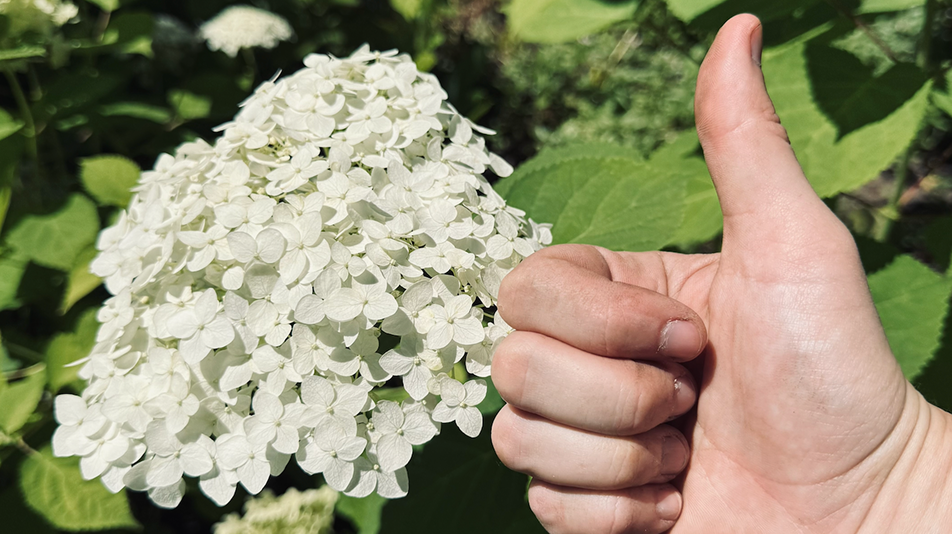
We’ve all been there: your hydrangea bush looks incredibly healthy with lush, deep-green foliage, but the flowers are either tiny, pale, or completely non-existent. It’s frustrating to see a "green giant" that refuses to bloom.
The culprit is usually a simple chemical imbalance. If you’re giving your hydrangeas too much love (in the form of Nitrogen), you’re actually telling the plant to grow leaves, not flowers.

The Nitrogen Trap
Many gardeners use lawn fertilizers or generic plant food near their hydrangeas. These are often high in Nitrogen (the 'N' in N-P-K). While nitrogen is great for grass, it’s a bloom-killer for hydrangeas in mid-summer.
The Symptom: Thick, juicy stems and giant leaves, but zero buds.
The Fix: Stop the nitrogen "diet" by June and switch to a Phosphorus and Potassium-heavy regimen.
The "Big Bloom" Feeding Schedule
To get those iconic "mophead" or "lacecap" clusters, follow this professional nutrient cycle:
Early Spring: Use a balanced, slow-release fertilizer (like a 10-10-10) just to wake the plant up.
Early Summer (The Pivot): Switch to a "Bloom Booster" formula. Look for fertilizers where the middle and last numbers are higher (e.g., 10-30-20).
Phosphorus (P): Triggers bud formation and root strength.
Potassium (K): Improves overall plant health and drought resistance.
The Organic Edge: Bone meal is a fantastic slow-release source of phosphorus that hydrangeas love.
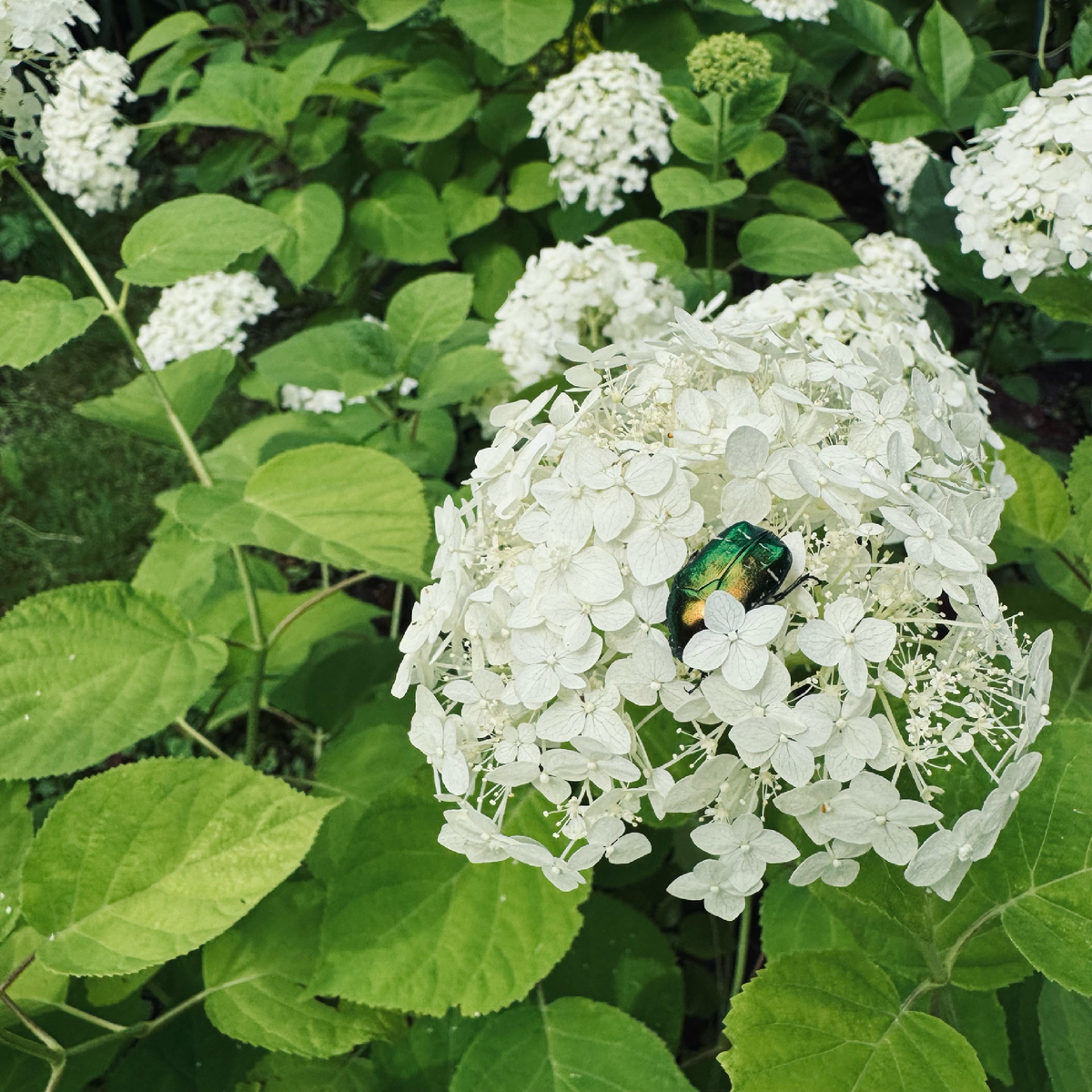
Three Secrets for Happier Hydrangeas
1. Watch Your Soil pH (The Color Key) In the US, many gardeners know that soil acidity changes the color of Hydrangea macrophylla.
Blue flowers: Need acidic soil (pH 5.0 to 5.5). Add aluminum sulfate or pine needle mulch.
Pink flowers: Need alkaline soil (pH 6.0 to 6.2). Add garden lime.
Pro-Tip: Use a simple DIY soil test kit or a drop of vinegar on a soil sample—if it fizzes, your soil is alkaline!
2. Mulch Like a Pro Hydrangeas are "water-hungry" plants (the name comes from the Greek hydro, meaning water).
Use pine bark or pine needles. Not only do they retain moisture, but they also slightly acidify the soil as they break down, which hydrangeas crave.
3. The Pruning Rule of Thumb This is where most blooms are lost! Many hydrangeas bloom on "old wood" (stems from last year). If you prune too aggressively in late fall or early spring, you are literally cutting off this year's flowers.
Rule: Only prune immediately after the flowers fade in late summer.
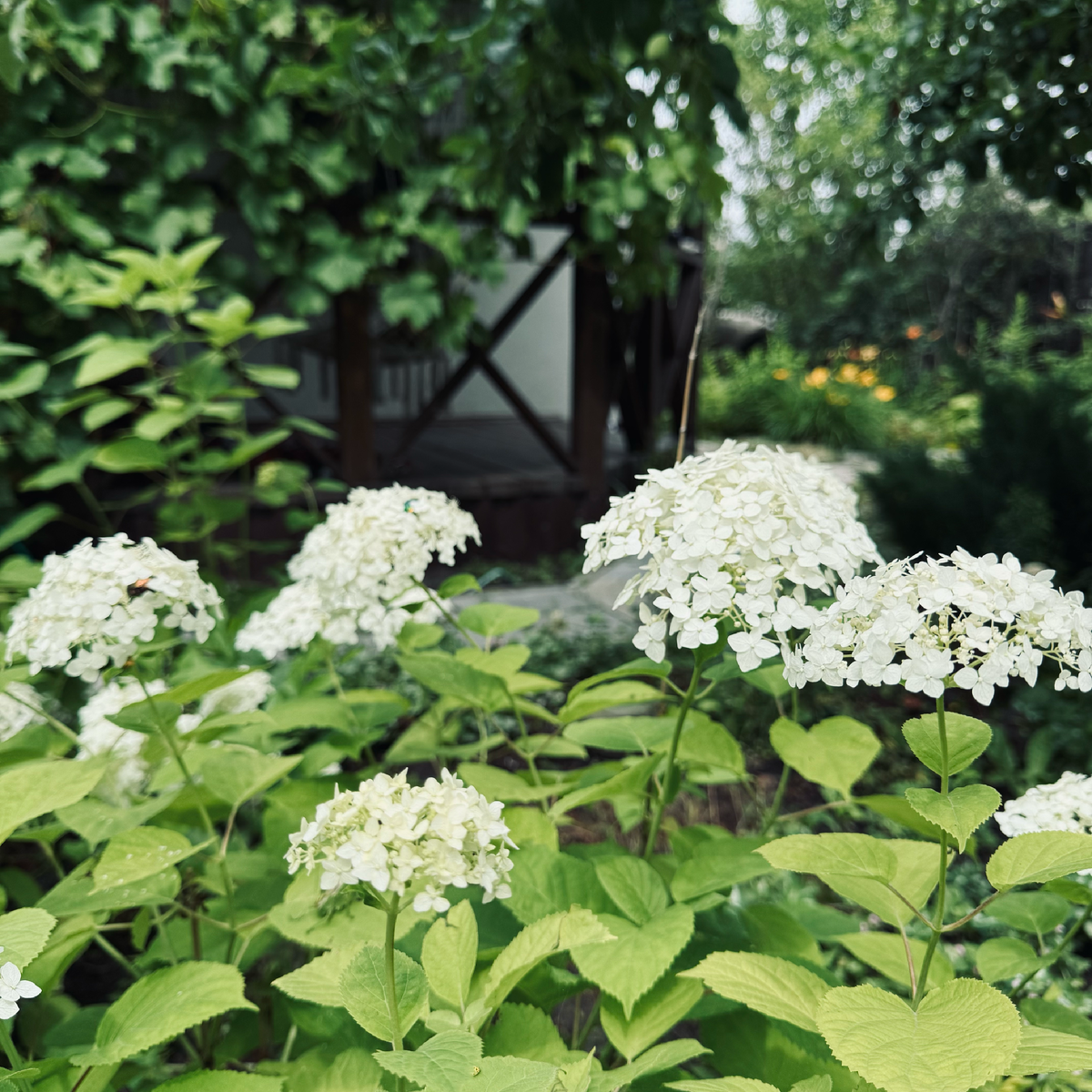
My "No-Fail" Checklist:
Morning Sun, Afternoon Shade: Especially in hotter zones, hydrangeas will wilt in the 3 PM sun.
Deep Watering: One deep soak is better than three light sprinkles.
Potassium Boost: A little wood ash mixed into the soil can provide a natural potassium lift and protect against diseases.
Final Thoughts
Patience is a gardener's best tool. If your hydrangea didn't bloom this year due to over-fertilizing, don't give up! Adjust your feeding schedule now, and you’ll be rewarded with those massive "flower hats" next season.
What color are your hydrangeas this year? Are you Team Blue or Team Pink? Let’s talk soil chemistry in the comments!

 DIY & Decor
  Edible Garden
  Houseplants
  Lawn & Landscaping
  Outdoor Plants
  Tips & Tools
No comments yet.